
The Secret is in the Forest
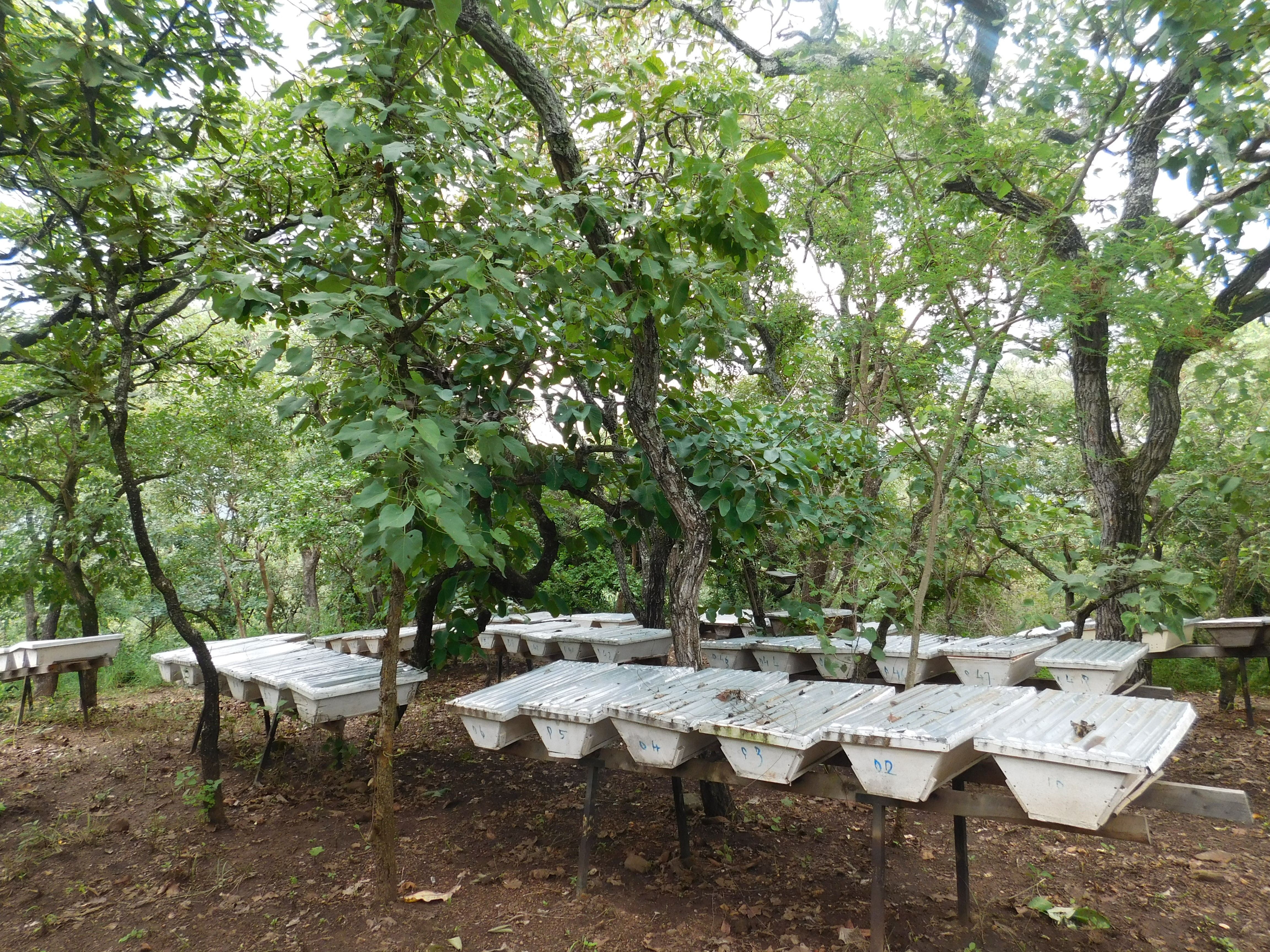
Deep in the West Nile region of Northern Uganda, the forests that surround Arua City are alive with wild flora that most of the world has never heard of. Shea trees, simsim flowers, mango blossoms, and dozens of indigenous wildflowers create a natural foraging landscape for our bees that simply cannot be found anywhere else.
This is why Arua honey tastes different. Not just different — it tastes better.
What Our Bees Eat
Honey gets its flavour profile entirely from the nectar our bees collect. In industrial honey production, bees are often placed near monoculture farms — vast fields of a single crop. The honey that results is uniform, predictable, and honestly rather bland.
Our farmer partners across Arua district keep their hives in and around natural forest edges, community woodlands, and diverse smallholder farms. At any point in the season, a single hive might be drawing from shea, nim, eucalyptus, simsim, mango, and dozens of wild flowering plants simultaneously.
The result is what food scientists call a polyfloral honey — a multi-source nectar blend with a depth of flavour that monofloral honey cannot match.
The Uganda Q-Mark Difference
Honey Pride Arua (U) Ltd is certified by the Uganda National Bureau of Standards under the Q-Mark programme. This means every batch of honey we process is tested for:
Most honey sold in Ugandan markets has never passed these tests.
How to Know Real Honey
Pure raw honey like ours has a few characteristics you can test at home:
The thumb test: Place a small drop on your thumb. Pure honey stays in place. Adulterated honey spreads and drips quickly.
The water test: Add a teaspoon to a glass of water. Pure honey sinks to the bottom rather than dissolving immediately. Diluted honey disperses through the water.
Crystallisation is good: If your honey crystallises over time, that is a sign it is real. Pure honey crystallises naturally. Adulterated honey often does not.
From Our Hives to Your Table
Every jar of Honey Pride honey travels a short, traceable journey. Our farmer partners harvest at the right stage of capping — ensuring moisture levels are correct. The honey is transported to our Awindiri Parish facility, filtered to remove wax particles, and bottled without heating.
We do not pasteurise. We do not blend with imported honey. We do not add preservatives. What goes into our jars is exactly what came out of the hive.
That is the Honey Pride difference. And once you taste it, you will understand why our customers across Uganda, the UK, and the UAE keep coming back.